The rise of electronic cigarettes, or vapes, has significantly altered the landscape of nicotine consumption over the past two decades. Initially introduced as an alternative to traditional combustible cigarettes, vaping has evolved into a complex and varied practice with its own culture, technology, and set of public health considerations. This guide aims to provide an authoritative overview of vaping, focusing on health impacts, essential safety protocols, and current usage patterns. By exploring the scientific evidence and expert consensus, users can make more informed decisions regarding their health and engagement with these devices.
The core mechanism of a vaping device involves an atomizer, which heats a liquid solution known as e-liquid or vape juice. This process creates an aerosol, commonly called vapor, which the user inhales. Unlike tobacco smoke, this aerosol is not a product of combustion, meaning it does not contain tar or carbon monoxide—two of the most harmful components of traditional cigarettes. However, the aerosol is not merely water vapor; it contains a mixture of chemicals whose long-term health effects are still under rigorous investigation.
Health Implications of Vaping
The conversation surrounding the health effects of vaping is often polarized. It’s crucial to approach this topic by examining the scientific data available. Public Health England, an executive agency of the UK’s Department of Health and Social Care, has consistently stated that vaping is significantly less harmful than smoking. Their landmark 2015 report concluded that e-cigarettes are around 95% less harmful than combustible tobacco. This perspective is based on the absence of the thousands of carcinogens and toxic chemicals produced when tobacco is burned. For adult smokers who are unable or unwilling to quit nicotine, switching completely to vaping is widely considered a harm-reduction strategy.
However, “less harmful” does not mean “harmless.” The primary components of e-liquid are propylene glycol (PG) and vegetable glycerin (VG), flavorings, and often nicotine. When heated, these substances can produce potentially harmful compounds, such as formaldehyde and acrolein, although typically at much lower levels than in cigarette smoke. The health impact of inhaling these substances over many years is not yet fully known. Furthermore, the flavorings used in e-liquids are generally recognized as safe for ingestion, but their safety for inhalation is a separate and less-studied issue. Some flavorings, like diacetyl (linked to a condition known as “popcorn lung”), have been largely removed by responsible manufacturers but highlight the need for continued vigilance and regulation.
Nicotine itself, while highly addictive, is not the primary cause of smoking-related diseases like cancer and COPD. However, it does have cardiovascular effects, such as increasing heart rate and blood pressure. For individuals with pre-existing heart conditions, this can pose a risk. The addictiveness of nicotine is also a major public health concern, particularly regarding youth uptake. The rise in vaping among non-smoking teenagers has raised alarms about the potential for a new generation to become addicted to nicotine.
Essential Safety Practices for Vapers
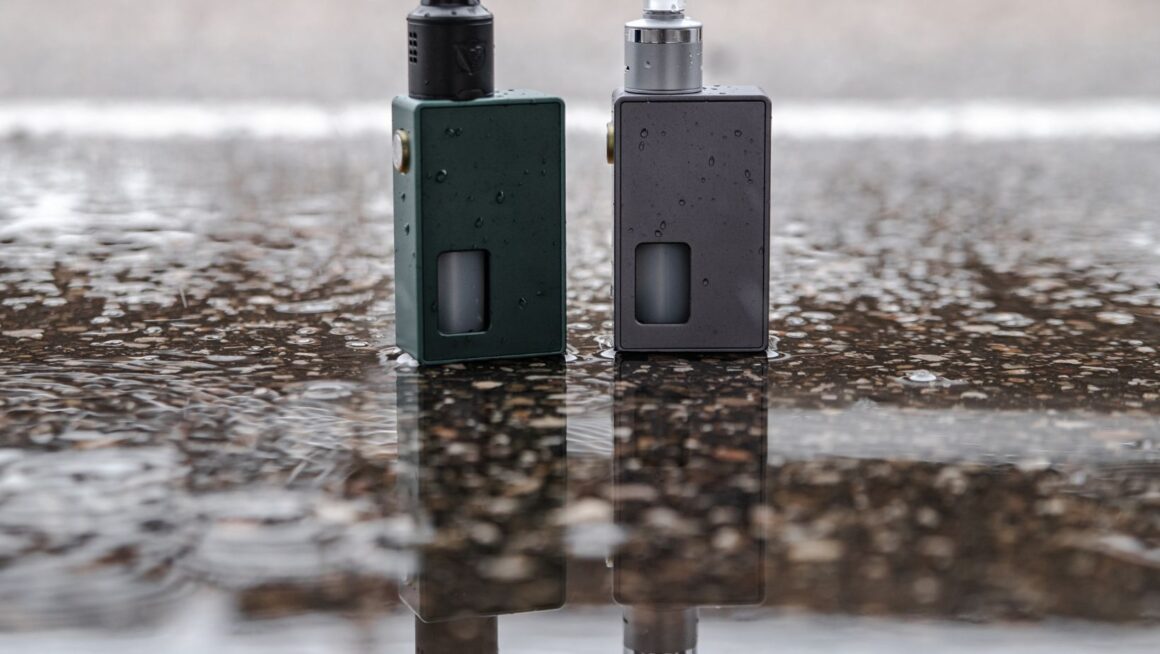
Beyond the physiological effects of aerosol inhalation, physical safety when using vaping devices is paramount. The devices themselves are electronic gadgets, often powered by high-capacity lithium-ion batteries. As with any electronic device, improper use or handling can lead to malfunctions, some of which can be dangerous. Adhering to strict safety protocols is non-negotiable for any user.
Battery safety is arguably the most critical aspect of safe vaping. The vast majority of reported incidents involving explosions or fires are related to battery failure. To mitigate these risks, users must follow specific guidelines. Always use the correct charger for your device, never leave batteries charging unattended or overnight, and avoid exposing them to extreme temperatures. It is also vital to use a protective case when carrying spare batteries to prevent them from coming into contact with metal objects like keys or coins, which can cause a short circuit. Since many modern vape mods rely on high-powered batteries to deliver advanced performance features, understanding proper power management is essential. Reputable suppliers, such as Central Vapors, often provide detailed information on battery care, vape mod compatibility, and overall device safety.
Proper device maintenance is another key pillar of safety. This includes regularly cleaning the tank, changing coils as needed, and inspecting the device for any signs of damage. A worn or damaged coil can fail to heat the e-liquid properly, leading to a poor experience and potentially producing more unwanted byproducts. Similarly, ensuring all connections are clean and secure helps the device function efficiently and safely. Users should only purchase hardware and e-liquids from trusted vendors who can verify the authenticity and quality of their products. This helps avoid counterfeit goods that may not meet safety standards.
Finally, the safe storage of e-liquids is crucial, especially in households with children or pets. E-liquids, particularly those containing nicotine, are toxic if ingested. They should always be stored in child-resistant containers and kept out of sight and reach. In case of accidental ingestion, it is imperative to seek immediate medical attention.
Evolving Trends in Vaping Technology and Use
The vaping industry is characterized by rapid innovation. The devices available today are vastly different from the simple “cig-a-like” models that first appeared on the market. Modern trends reflect a diversification of user preferences, from those seeking a simple, convenient experience to hobbyists who enjoy customizing their hardware for optimal performance.
One of the most significant recent trends is the proliferation of pod systems. These devices are typically compact, user-friendly, and utilize pre-filled or refillable pods containing the e-liquid and coil. Their simplicity and discreet nature have made them incredibly popular, especially among new vapers and those looking for a convenient alternative to bulky box mods. Brands like Uwell and Vaporesso have become synonymous with high-quality pod systems that offer a satisfying experience with minimal fuss.
Another major development is the increased popularity of nicotine salts. Traditional e-liquids use “freebase” nicotine, which can be harsh on the throat at high concentrations. Nicotine salts are a different formulation that allows for a much smoother inhalation experience, even at high nicotine strengths. This has made vaping more palatable for many smokers looking to switch, as it more closely mimics the rapid nicotine delivery of a cigarette. While this innovation benefits adult smokers, it also contributes to concerns about the high addictive potential of these products for nicotine-naive users. When navigating options, consumers often rely on educational resources from established retailers like Central Vapors to understand the differences between product types.
For the enthusiast community, Rebuildable Atomizers (RDAs and RTAs) remain a popular choice. These devices allow users to build and install their own coils and wicks, offering complete control over the vaping experience. This customization can lead to superior flavor and vapor production but requires a significant amount of knowledge and skill. This segment of the market, though niche, drives much of the innovation in atomizer design and performance. As technology advances, more users are finding ways to personalize their experience, a trend supported by the wide availability of DIY supplies from specialty shops.
Here is a summary of key safety measures for all vapers:
- Battery Safety: Use the correct charger, store batteries in a protective case, and avoid extreme temperatures.
- Device Maintenance: Regularly clean your tank, replace coils, and inspect for damage.
- E-Liquid Storage: Keep e-liquids in child-resistant containers, stored securely away from children and pets.
- Purchase from Reputable Sources: Buy hardware and e-liquids only from trusted vendors to ensure product authenticity and quality. Browsing a comprehensive catalog like the one from Central Vapors can give you an idea of the certified products available.
The regulatory environment continues to shape vaping trends. Regulations like the FDA’s Premarket Tobacco Product Application (PMTA) process in the United States and the Tobacco Products Directive (TPD) in Europe dictate which products can be legally sold. These regulations have led to a more consolidated market, with a greater emphasis on compliance and product testing. As a user, staying informed about the rules in your region is important. This legal framework, while complex, aims to enhance consumer safety and product consistency across the board. The ongoing dialogue between regulators, public health bodies, and the industry will continue to influence the future of vaping. The commitment of companies like Central Vapors to compliance is a crucial part of this ecosystem.
What We’ve Learned
Vaping exists in a complex space between harm reduction for adult smokers and potential risks, particularly concerning nicotine addiction and unknown long-term effects. The scientific consensus indicates that it is substantially safer than smoking, but it is not without its own health considerations. For users, prioritizing safety through proper battery care, device maintenance, and responsible e-liquid handling is essential. The market continues to evolve with trends like pod systems and nicotine salts making vaping more accessible, while a dedicated hobbyist community pushes the boundaries of performance. Ultimately, an informed user is a safer user. By staying educated on the health data, safety protocols, and technological trends, individuals can navigate the world of vaping more responsibly.