Stress is part of everyday life, and everyone looks for ways to manage it. Some habits provide healthy relief, while others slowly become harmful. Learning to recognize the signs of risky stress relief patterns helps prevent small choices from turning into serious problems. Here, we’ll explore common red flags, from changes in behavior to physical symptoms, so that you can act early. By spotting these signs, you can protect your well-being and choose safer, healthier coping strategies.
Why Stress Relief Matters
Stress is a normal reaction to pressure, deadlines, or personal challenges. Your body responds with tension, faster heartbeats, and anxious thoughts. Because of this, finding ways to ease stress is important. Healthy stress relief, such as exercise, rest, or talking with friends, helps restore balance.
Risky stress relief patterns, however, may give temporary comfort while causing long-term harm. They can damage your health, relationships, and even your productivity. Recognizing this difference is the first step to protecting yourself. Stress relief should improve your life, not make it harder. That’s why spotting harmful habits early is critical for lasting well-being.
Changes in Eating Habits
Stress often shows up in the way people eat. Some turn to food for comfort and overeat, while others lose their appetite and skip meals. Emotional eating can lead to weight changes, fatigue, and guilt. These shifts may seem minor, but over time they harm both body and mood.
Developing awareness helps. For instance, practicing mindful eating encourages slower, healthier choices instead of automatic reactions to stress. If meals are missed, binged, or driven by emotions rather than hunger, these are warning signs. Paying attention to eating patterns offers valuable clues about whether stress is being managed in risky ways.
Escaping Into Alcohol
Alcohol is a common way many people try to relax after stressful days. A glass may seem harmless, yet stress drinking can quickly become a pattern. Drinking alone, hiding bottles, or needing more alcohol to feel calm are all warning signs. Sleep problems, poor decision-making, and strained relationships often follow. Many underestimate the negative effects of alcohol use, but even small increases can damage health over time.
Alcohol use has both short-term effects, such as poor coordination, risky decision-making, sleep disruption, memory lapses, and hangover symptoms. Long-term risks include liver disease, heart problems, cancer, nutrient deficiencies, and mental health disorders. Over time, regular drinking can lead to serious brain changes, dependency (Alcohol Use Disorder), and damage to social, professional, and relational well-being. Instead of relying on alcohol, healthier options include water, herbal tea, or relaxation techniques. Recognizing when drinking shifts from occasional relief to daily reliance helps protect both physical and emotional well-being.
 Excessive screen time can be one of the signs of risky stress relief patterns
Turning to Excessive Screen Time
Screens provide an easy escape when stress feels overwhelming. Binge-watching, endless scrolling, or long gaming sessions can distract from problems for a while. Yet, these habits often reduce sleep quality and leave you feeling drained. Work, school, or relationships may suffer as time online grows.
Overuse can also lead to digital addiction, where breaking away from a device feels nearly impossible. Warning signs include neglecting tasks, ignoring friends, or losing track of hours each day. Replacing some screen time with outdoor walks, reading, or hobbies helps restore balance. Small changes create space for healthier, more effective ways of managing stress.
Risky Spending or Shopping
Shopping can feel exciting, especially when stress builds. For some, buying new items gives a temporary sense of control or joy. However, spending money to cope with pressure often leads to regret, debt, and deeper stress. Repeated purchases without real need may indicate trouble. Ignoring budgets, hiding receipts, or shopping secretly are red flags.
These behaviors are clear signs of risky stress relief patterns that should not be ignored. Instead, pause before spending, write a list, or talk through urges with a friend. Choosing mindful actions over impulsive ones helps reduce financial strain and strengthens healthier coping habits.
Overworking or Avoiding Work
Work can be both a source of stress and a way to avoid it. Some people cope by working longer hours, hoping to stay ahead. Others react by withdrawing, procrastinating, or ignoring tasks. Both extremes create bigger problems over time. Overworking often leads to burnout, exhaustion, and strained relationships. Avoiding work increases pressure, guilt, and missed deadlines.
Balance is essential for healthy stress relief and mental clarity. Setting clear work boundaries, taking breaks, and focusing on small, achievable goals can help. By addressing stress directly instead of through work extremes, you protect both productivity and personal well-being.
Ignoring Social Connections
Strong social ties play a key role in managing stress. Yet, under pressure, some people withdraw from friends or avoid family gatherings. Isolation may feel easier, but it reduces support and increases loneliness. Replacing positive connections with unhealthy influences worsens stress instead of easing it. Pulling away from trusted people is one of the overlooked signs of risky stress relief patterns.
Noticing when you decline invitations or ignore messages is important. Research also shows that on days of high stress, people tend to have fewer social interactions the following day (Dartmouth, 2021). That cycle makes it easier to slip into isolation. Reaching out, even in small ways, helps maintain bonds. Supportive conversations often provide healthier relief than isolation or negative company.
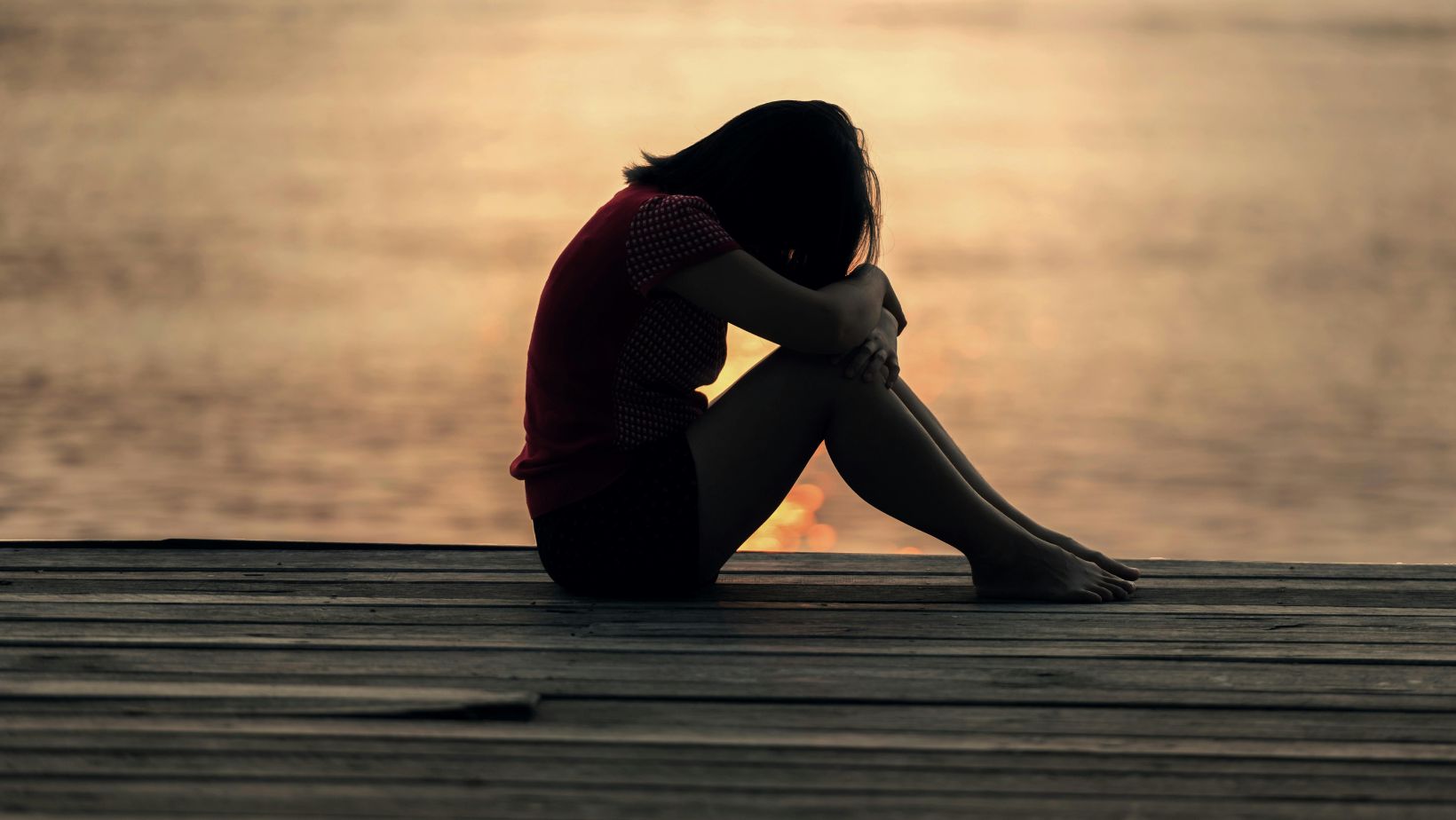 Social isolation can seem easier at first, but can lead to negative patterns
Physical Signs of Risky Stress Relief
Stress relief habits often leave physical traces on the body. Fatigue, headaches, and stomach problems can appear when coping strategies turn harmful. Sleep patterns may shift, with restless nights or oversleeping becoming common. Increased use of caffeine, smoking, or other substances is a further red flag.
While some symptoms seem mild, they often signal deeper problems. For example, gentle practices like stretching, deep breathing, or even sipping herbal teas can help restore balance naturally. Listening to body cues and responding with healthier options reduces harm and supports long-term well-being.
Building Healthier Stress Relief Habits
Risky habits can be replaced with healthier choices that ease stress without causing harm. Simple, consistent actions make a big difference over time. Small steps help create balance and prevent harmful cycles from taking over. Some proven strategies include:
- Exercise: walking, yoga, or light stretching releases tension.
- Journaling: writing thoughts clears the mind and reduces anxiety.
- Mindfulness: meditation or breathing practices calm both body and mind.
- Support: talking with friends, family, or professionals offers perspective.
- Rest: regular sleep restores energy and focus.
Choosing healthier habits builds resilience, helping stress feel less overwhelming and more manageable.
Protect Your Well-Being
Stress is unavoidable, but harmful coping methods are not. By noticing the signs of risky stress relief patterns, you gain the power to change direction. Healthier habits create balance, improve relationships, and strengthen resilience. Start small, replace one risky habit at a time, and seek support when needed. With awareness and action, you can protect both your health and peace of mind.