As we get older, our eyes just don’t work quite like they used to. Around 40, most of us start squinting at menus or needing a brighter lamp to read the fine print. Focusing up close gets harder, and reading glasses start popping up everywhere.
Regular eye check-ups, eating well, using UV protection, and managing your health can all make a real difference for your vision as you age. These habits go a long way in keeping your eyes working their best and can help head off a lot of the common problems before they get serious.
Medical advances today give us more ways than ever to treat issues like cataracts, glaucoma, and macular degeneration. But honestly, catching problems early is still the best strategy—those yearly eye exams are well worth it if you want to keep seeing clearly into the future.
Understanding Age-Related Eye Health
As we age, our eyes change in ways that affect how we see and interact with the world. Some vision changes just come with the territory, while others signal bigger issues that need a doctor’s attention.
Common Vision Changes With Aging
Most people start noticing vision shifts in their 40s. Presbyopia is the big one—it makes focusing on close objects a challenge because the lens in your eye gets less flexible over time. Colors can look duller as you age. Blues especially start to fade, and telling similar shades apart gets tricky.
Pupils shrink a bit as we get older, so less light gets in. That’s why older adults often need a brighter lamp to see clearly. Tear production drops off too, so dry eyes become a nuisance and things can look blurry.
Night vision and depth perception usually take a hit, making driving after dark or judging steps much harder—and honestly, a little nerve-wracking.
Major Age-Related Eye Diseases
Some serious eye problems start showing up more often after 50:
Cataracts cloud the lens, so your vision gets blurry or hazy. They usually sneak up slowly over the years, but surgery can fix them.
Glaucoma damages the optic nerve, often because pressure builds up inside the eye. It’s sneaky—most people don’t notice symptoms until vision loss sets in, and once it’s gone, you can’t get it back.
Diabetic Retinopathy hits people with diabetes and messes with the retina’s blood vessels. Early on, you probably won’t notice anything, but if it’s not managed, it can cause blindness.
Age-Related Macular Degeneration (AMD) damages the macula, which you need for sharp, central vision—think reading or driving. There are “dry” and “wet” types, and both can cause real trouble.
Risk Factors for Eye Conditions
Some risk factors are just out of our hands. Age tops the list—most serious eye diseases show up more after 60. Family history matters too, especially for glaucoma and AMD. Race and ethnicity play a role. Glaucoma is more common among African Americans, while AMD tends to affect Caucasians more.
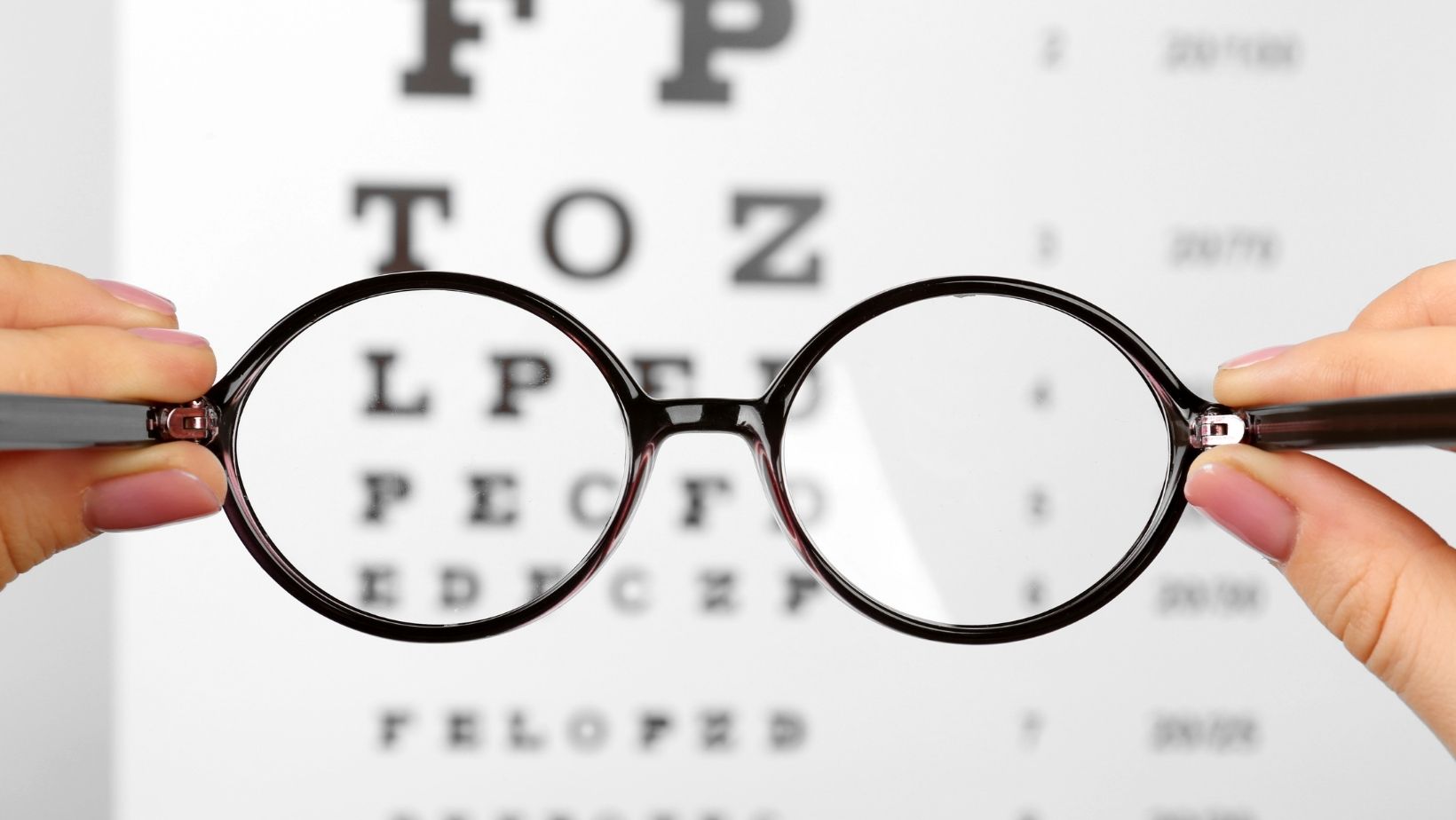
But you can control some risks: Smoking doubles your AMD risk. Letting diabetes or high blood pressure run wild, carrying extra weight, eating poorly, soaking up too much sun without sunglasses, and skipping eye exams all make things worse.
If you have diabetes or hypertension and don’t keep them in check, your risk for eye problems goes way up.
Age-Related Macular Degeneration
AMD leads the pack for vision loss in folks over 50. It targets the macula, which handles your sharp, central vision.
Dry AMD is by far the most common. The macula thins out with age, and little protein clumps called drusen show up. It usually creeps along slowly, causing gradual central vision loss.
Wet AMD is less common but much more aggressive. Weird blood vessels grow under the retina and leak fluid, so vision can change fast. Without treatment, you could lose a lot of sight in just a few months.
Early AMD symptoms might include straight lines looking wavy, blurry central vision, dark or empty spots, and colors losing their punch.
Treatment depends on the type. Supplements can help slow dry AMD, while wet AMD might respond to injections or laser treatments.
Modern Strategies for Protecting Vision
Keeping your eyesight sharp takes a mix of regular check-ups, smart habits, and using what modern medicine has to offer. It’s not about one magic fix—it’s about stacking the odds in your favor.
Early Detection and Regular Eye Exams
Getting your eyes checked regularly is the backbone of vision protection. Adults should get a full exam every year or two, and after 60, you really can’t afford to skip them.nNewer screening tools spot problems before you notice a thing. OCT scans give detailed views of your retina, and visual field tests can catch blind spots early.
Digital retinal imaging snaps high-res photos of the back of your eye, so doctors can track even tiny changes over time.nLots of eye diseases don’t show symptoms early on. Glaucoma, for example, quietly steals vision before you even realize it. Regular exams can save sight you’d never get back otherwise.
Lifestyle Modifications to Support Eye Health
What you eat matters for your eyes. Foods packed with omega-3s, lutein, zeaxanthin, and vitamins C and E help keep your vision strong.
Omega-3s show up in fish, flaxseeds, and walnuts. Leafy greens, eggs, and colorful veggies bring the lutein and zeaxanthin. You’ll find vitamins C and E in citrus, nuts, and seeds. Don’t forget about sun and screen protection. Sunglasses that block UVA and UVB rays are a must outside. And if you’re glued to screens all day, blue light filtering glasses might help.
Even a little exercise gets your blood moving and helps your eyes. Walking regularly can lower your risk for age-related eye issues more than you might think.
Innovations in Medical Treatments
Advanced surgical techniques have really changed how we approach vision care. These days, minimally invasive procedures for cataracts help people recover quicker, and the results seem better than what we saw in the past.
MIGS, or minimally invasive glaucoma surgery, gives people with glaucoma fresh options. Doctors can often do these less traumatic procedures at the same time as cataract surgery, which is pretty convenient. Anti-VEGF injections have shaken up how we treat wet macular degeneration. These medicines slow or even stop the weird blood vessel growth that messes with central vision.
Gene therapy’s starting to look like a real option for inherited eye diseases that used to have no answers. Luxturna, for instance, got the green light to treat a rare inherited retinal dystrophy that leads to vision loss. Artificial intelligence keeps getting better at spotting problems. AI systems now catch diabetic retinopathy and other eye conditions from scans with accuracy that’s honestly impressive.