Thinking about whether Invisalign is really worth the money? Plenty of folks consider these clear aligners instead of old-school braces, but the price tag definitely makes you pause and wonder if the benefits stack up.
Invisalign usually costs somewhere between $3,000 and $8,000, so it’s not a small decision. You get results similar to traditional braces but with the bonus of looking better and having more flexibility. The aligners are nearly invisible; you can pop them out for meals or brushing, and you probably won’t have to see your orthodontist as often as you would with metal braces.
How well Invisalign works depends on a few things—mainly how tricky your dental issues are and whether you actually wear the aligners for the recommended 20-22 hours a day. Most people start to see a difference in about 12-18 months, though that can shift depending on your situation.
Evaluating the Value of Invisalign
Deciding if Invisalign is worth it isn’t just about the price. You have to think about comfort, convenience, and whether it’ll actually help your long-term dental health.
Cost Comparison: Invisalign vs. Braces
In the U.S., Invisalign runs between $3,000 and $8,000, while metal braces usually fall between $2,500 and $6,000. That extra cost with Invisalign is mostly about the tech and the perks.
With Invisalign, you get a few clear upsides: you can remove the aligners for meals and cleaning, they’re barely noticeable, and you skip the poking wires and brackets that come with braces. Plus, you probably won’t need to go in for check-ups as often—usually every couple of months instead of every month.
These days, some orthodontists keep the prices for both options pretty close since Invisalign has become so common.
Invisalign in Singapore Cost
Invisalign in Singapore cost between SGD $4,500 and $9,000, depending on how complicated your teeth are. That’s actually not too far off from what you’d pay for traditional braces there, which range from SGD $3,500 to $6,500.
What drives the price up or down? Mostly how crooked your teeth are, how many aligners you’ll need, how long the treatment goes on, and even where your orthodontist is located or how experienced they are. Most clinics in Singapore offer a free first consultation to see if you’re a good candidate. They often let you pay over 12-24 months without interest, which helps a lot.
One thing to know: you can’t use Singapore’s MediSave for Invisalign since it’s considered cosmetic. Some private insurance plans might cover part of the cost if they include orthodontic work, but you’ll want to check the details.
Expected Results and Longevity
Invisalign works well for mild to moderate dental problems like crowding, gaps, or some bite issues. Most people finish treatment in 12-18 months, while braces might take a bit longer—sometimes up to two years.

If you keep up with retainers after you’re done, the results can last a lifetime. Orthodontists usually suggest either nightly retainers or fixed wires behind your teeth to keep everything in place.
Apparently, about 96% of Invisalign users say they’re happy with the outcome, but only if they actually stick to wearing the aligners as directed. The tech keeps getting better, too, so it’s able to handle tougher cases than it used to.
Factors Influencing Invisalign Effectiveness
If you want Invisalign to work, you really have to commit to wearing the aligners almost all day—just taking them out for meals, drinks (other than water), and brushing. Skipping hours here and there can slow things down or mess up your progress.
Invisalign shines with mild to moderate crowding, spacing, or minor bite issues. Trickier problems might mean you need extra attachments—those little tooth-colored bumps—or even a different treatment altogether.
Age matters, too. Invisalign works for teens and adults, but for kids with growing jaws, results can vary, and sometimes, traditional braces are the better call. Your orthodontist’s experience with Invisalign is a big deal. Some have handled hundreds of cases, while others are newer to it. That experience can make a difference in how smooth your treatment goes.
Insurance Coverage and Payment Options
Some dental insurance plans will cover Invisalign just like they do braces, usually paying 25-50% up to a lifetime max of $1,500-$2,500. You really have to check your policy to see what counts as orthodontic coverage. If you have an FSA or HSA, you can use those pre-tax dollars to pay for Invisalign, which helps stretch your budget.
Most orthodontists offer payment plans—monthly payments (often without interest), discounts if you pay everything up front, or you can go through third-party financing like CareCredit. Some offices run seasonal deals or family discounts, and free consults are pretty common, too. Before you start, ask for a detailed estimate so you don’t get surprised by hidden fees later on.
Considerations Before Investing in Invisalign
There’s more to the Invisalign decision than just money. You have to think about your time, your habits, and whether it’s right for your dental needs.
Assessing Suitability for Different Dental Conditions
Invisalign handles a lot of dental issues, but not everything. It’s best for mild to moderate problems—crowded teeth, small gaps, minor overbites or underbites, and some crossbites. If your case is more severe—like big rotations, major bite problems, or complicated jaw issues—traditional braces might be the only real fix. Dentists use digital scans to check if you’re a good fit for Invisalign, and that step matters before you sign up.
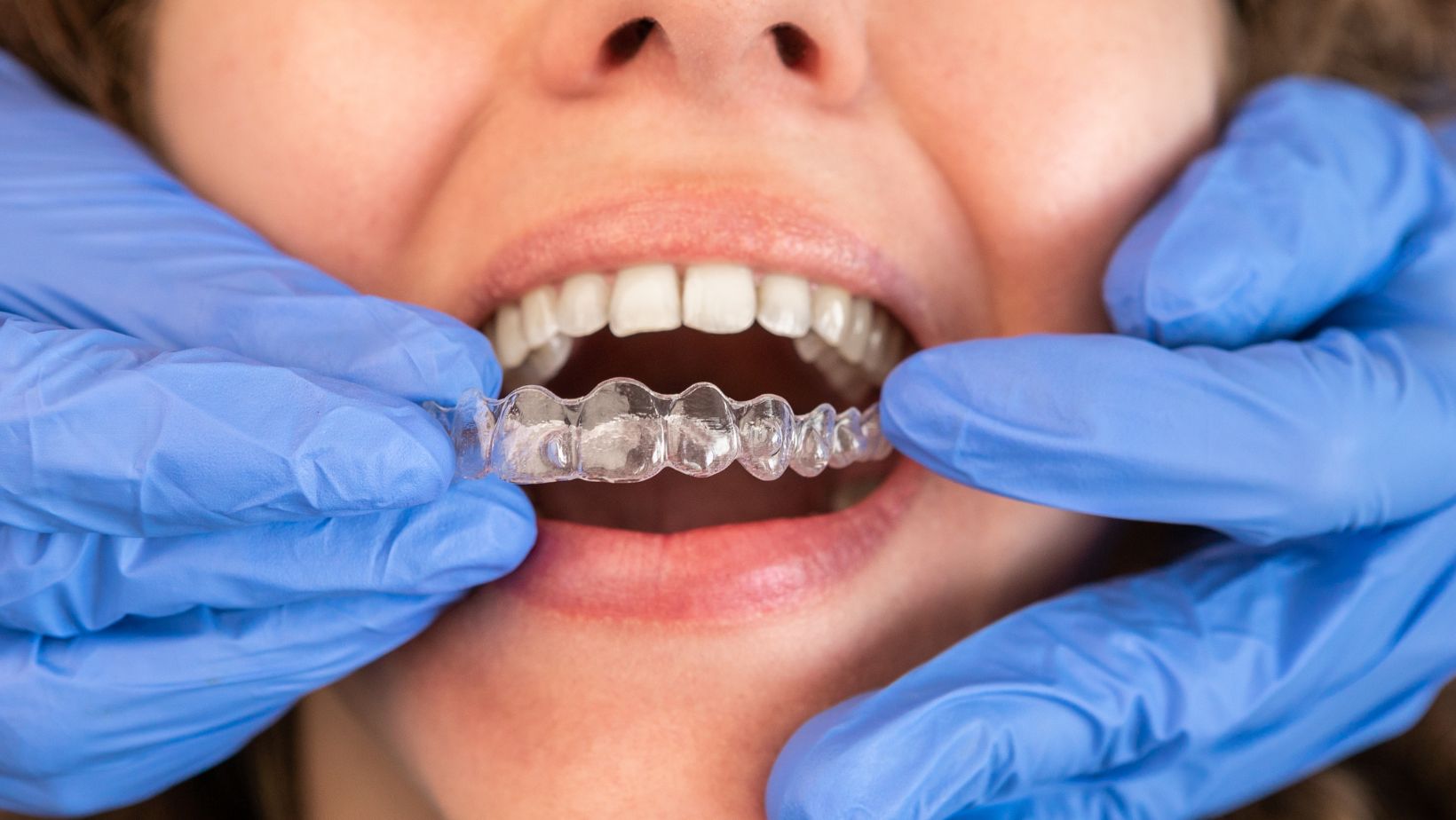
Age is another thing to keep in mind. Invisalign works for teens and adults, but they’re not usually recommended for kids whose teeth and jaws are still growing.
Lifestyle Impact and Commitment Required
Wearing Invisalign means sticking to 20-22 hours a day, no excuses. You have to take the aligners out for every meal or snack and then brush and clean both your teeth and the aligners before putting them back in. That can get annoying if you like to graze or snack throughout the day.
The usual treatment time is 12-18 months, and you switch to a new set of aligners every week or two. You’ll still need to check in with your orthodontist every couple of months to see how things are going.
Some people notice their speech sounds a bit off at first, but that usually goes away after a few days. If you like drinking coffee, wine, or anything with color, you have to take the aligners out or risk staining them. It’s not the end of the world, but it’s something to think about if you love your morning coffee or happy hour.
Potential Risks and Limitations
Invisalign usually feels pretty safe, but there are a few things to watch out for. Most people notice some discomfort or pressure, especially when they pop in a new set of aligners. That weird feeling tends to fade after a few days, though.
If you’re not wearing the aligners as much as you should, you probably won’t get the results you want. Since you can take them out whenever it really comes down to how motivated you are to stick with the plan. Some folks also deal with temporary speech issues, a dry mouth, or mild irritation along their gums or cheeks. It’s not the end of the world, but it can be annoying.
Dental insurance rarely covers the whole cost. Most plans just chip in for part of it, so you could still end up paying anywhere from $3,000 to $8,000 out of pocket, depending on how complicated your case is.
And then there are attachments—those tiny, tooth-colored bumps glued to your teeth. They help the aligners grip better, but honestly, they make the aligners more noticeable than you might expect from the ads.